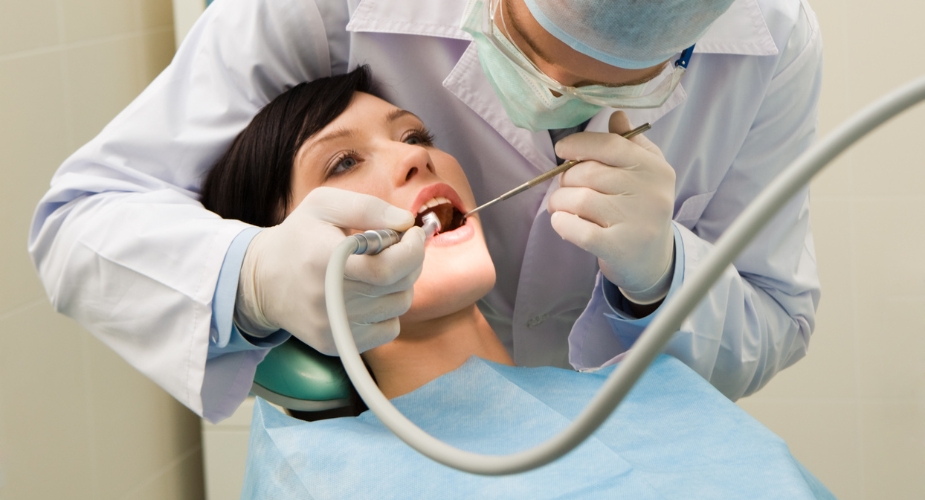
Tooth enamel is the hardest substance in the human body, yet it is not indestructible. Many people notice enamel damage through tooth sensitivity, discoloration, or rough edges and ask an important question: can tooth enamel be restored once it wears away?
The answer depends on what is meant by “restored.” Modern dental science draws a clear line between rebuilding enamel naturally and protecting or strengthening what remains. Understanding this distinction helps set realistic expectations and guides better oral-health decisions.
What Is Tooth Enamel?
Tooth enamel is the outermost protective layer of the tooth. It shields the inner dentin and pulp from heat, cold, acids, and bacteria.
Enamel is:
-
Extremely strong
-
Highly mineralized
-
Non-living tissue
Because enamel does not contain living cells, it cannot regenerate the way bone or skin does. This biological reality is central to understanding whether enamel can truly be restored.
Can Tooth Enamel Be Restored Once It’s Gone?
The Short Answer
No, tooth enamel cannot fully grow back once it is lost.
However, early enamel damage can be repaired and strengthened through a process called remineralization.
This distinction is critical.
-
Lost enamel cannot be regrown
-
Weakened enamel can often be repaired and reinforced
The Difference Between Enamel Loss and Enamel Weakening
Enamel Erosion
Enamel erosion occurs when acids wear away the tooth surface. Common causes include:
-
Acidic foods and drinks
-
Acid reflux
-
Frequent snacking
-
Certain medications
Once enamel is completely eroded, the body cannot replace it.
Enamel Demineralization
Before enamel is lost, it often goes through a phase of mineral loss. This stage is sometimes visible as:
-
White spots on teeth
-
Increased sensitivity
-
Chalky or dull areas
At this stage, enamel can be strengthened.
How Remineralization Works
Remineralization is the natural repair process where minerals such as calcium and phosphate are redeposited into weakened enamel.
Saliva plays a major role in this process by:
-
Neutralizing acids
-
Delivering minerals back to teeth
-
Supporting oral pH balance
When supported properly, remineralization can slow or stop early enamel damage and improve enamel strength.
What Helps Strengthen and Protect Enamel
Fluoride
Fluoride is one of the most well-researched tools in enamel protection. It:
-
Enhances remineralization
-
Makes enamel more resistant to acid
-
Helps prevent cavities
This is why fluoride toothpaste and professional fluoride treatments are widely recommended.
Calcium and Phosphate
Certain oral care products contain calcium and phosphate compounds that support enamel repair during early damage stages.
Saliva Production
Healthy saliva flow is essential. Dry mouth increases the risk of enamel erosion because acids remain on the tooth surface longer.
What Does Not Restore Enamel
There is a significant amount of misinformation online. The following do not regrow lost enamel:
-
Oil pulling
-
DIY remedies claiming enamel “regrowth”
-
Abrasive whitening products
-
Lemon, vinegar, or baking soda treatments
Some of these practices may actually accelerate enamel damage.
When Dental Treatment Is Needed
If enamel loss is advanced, dental treatment may be required to protect the tooth structure beneath it.
Common approaches include:
-
Dental bonding
-
Veneers
-
Crowns
-
Sealants in specific cases
These treatments do not replace enamel biologically, but they restore function and protection.
Why Enamel Loss Often Goes Unnoticed
Enamel erosion usually occurs gradually and painlessly at first. Because enamel has no nerves, damage often progresses without discomfort until dentin becomes exposed.
This is why regular dental evaluations are important, even when no pain is present.
Can Tooth Enamel Be Restored Naturally?
This question is frequently asked: can tooth enamel be restored naturally?
The accurate answer is:
-
Weakened enamel can be naturally strengthened
-
Completely lost enamel cannot be naturally replaced
Natural processes and proper oral care can help protect existing enamel and prevent further loss.
Key Takeaways
-
Tooth enamel cannot fully regrow once it is lost
-
Early enamel damage can often be repaired through remineralization
-
Fluoride and saliva play major roles in enamel protection
-
Advanced enamel loss requires professional dental treatment
-
Many “natural” remedies online are ineffective or harmful
Final Perspective
Tooth enamel is a finite resource. Once it is gone, it cannot be replaced by the body. However, understanding how enamel damage begins allows people to act early, protect what remains, and slow or stop progression.The most effective approach to enamel health is prevention, early detection, and evidence-based care rather than trying to reverse damage after it becomes severe.