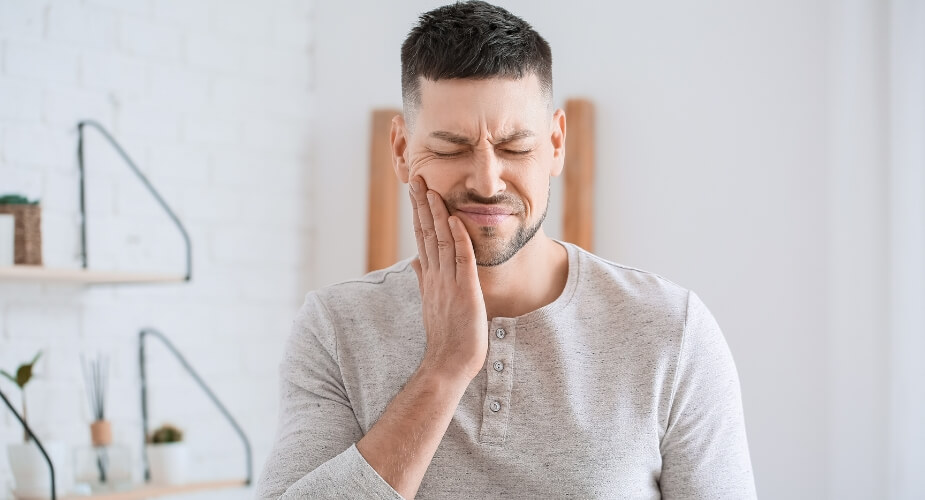
A toothache can be unsettling, especially when it comes and goes or improves temporarily. This often leads to a common question: will tooth aches go away on their own, or do they always require treatment?
The answer is not a simple yes or no. Whether a toothache goes away depends on what is causing the pain, how advanced the problem is, and how the body responds over time. Understanding these factors helps explain why some toothaches fade while others return stronger than before.
Why Toothaches Happen in the First Place
Tooth pain occurs when nerves inside or around the tooth become irritated. This irritation can come from several sources, including decay, inflammation, pressure, infection, or damage to surrounding tissues.
Importantly, pain is often a late symptom. Many dental problems begin quietly and only cause discomfort once they reach sensitive structures.
Can a Toothache Go Away on Its Own?
Yes, in Some Situations
A toothache may improve or disappear temporarily when the cause is mild or reversible.
Examples include:
-
Minor gum irritation
-
Temporary tooth sensitivity
-
Sinus-related pressure affecting upper teeth
-
Mild inflammation from clenching or grinding
In these cases, the underlying issue may resolve, reducing nerve irritation and easing pain.
No, in Many Common Cases
Toothaches caused by structural damage or infection usually do not resolve permanently without care, even if the pain stops for a while.
Common examples include:
-
Tooth decay
-
Deep cavities
-
Cracked teeth
-
Dental abscesses
-
Advanced gum disease
In these situations, pain may decrease as nerves become less responsive, but the problem itself often continues to worsen.
Why Toothaches Sometimes Disappear Then Return
One of the most confusing aspects of dental pain is that it can come and go.
This happens because:
-
Inflammation fluctuates
-
Pressure inside the tooth changes
-
Nerves may temporarily calm
-
Infection may spread beyond the tooth
When pain fades without treatment, it does not necessarily mean healing has occurred. In many cases, it signals progression to a more serious stage.
Toothache Causes and Whether They Go Away
Tooth Sensitivity
Often improves with time and proper care, especially if caused by enamel wear or gum recession.
Cavities
Do not heal on their own. Pain may stop temporarily, but decay continues.
Cracked Teeth
Pain may be intermittent but rarely resolves without intervention.
Gum Infection
Early inflammation may improve, but untreated gum disease progresses.
Dental Abscess
Pain may decrease if pressure drains, but infection remains and can spread.
Why Ignoring a Toothache Can Be Risky
When a toothache goes away without treatment, it can create a false sense of security. Research shows that untreated dental infections can lead to:
-
Increased damage to the tooth
-
Spread of infection to bone or soft tissue
-
More complex treatment later
-
Higher risk of emergency dental situations
Pain relief does not always equal problem resolution.
How Long Is Too Long for a Toothache to Last?
While brief sensitivity may not be concerning, pain that:
-
Lasts more than a day or two
-
Returns repeatedly
-
Worsens at night
-
Radiates to the jaw, ear, or head
often signals an underlying issue that does not resolve on its own.
Why Some Toothaches Feel Better at First
The body’s inflammatory response can temporarily suppress pain signals. In some cases, nerve tissue may become damaged, reducing pain perception even as infection progresses.
This is why pain relief alone is not a reliable indicator of healing.
What Science Says About Healing vs. Masking Pain
Dental research consistently shows:
-
Enamel and dentin do not regenerate
-
Bacterial decay does not reverse naturally
-
Infection requires intervention to resolve fully
Temporary pain relief often reflects symptom masking, not healing.
Key Takeaways
-
Some mild toothaches can go away temporarily
-
Many toothaches return if the cause is not addressed
-
Pain relief does not always mean the problem is gone
-
Disappearing pain can sometimes signal worsening disease
-
Understanding the cause matters more than tracking pain alone
Final Perspective
So, will tooth aches go away?
Sometimes they do, but often they do not in a lasting or safe way. A toothache is the body’s signal that something has changed. Whether that signal fades or persists depends on the underlying cause, not just time. Paying attention to patterns, duration, and recurrence provides more useful information than waiting for pain to disappear. Understanding this distinction helps people make better decisions about oral health and avoid more serious problems later.